Canadian cryogenic insulation manufacturer

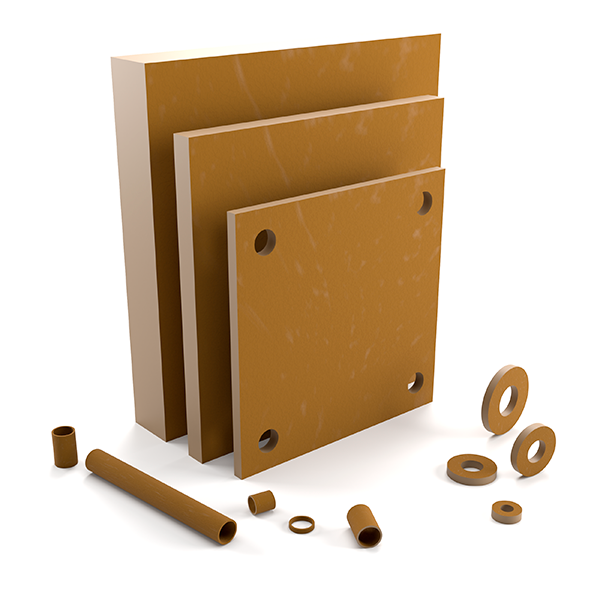
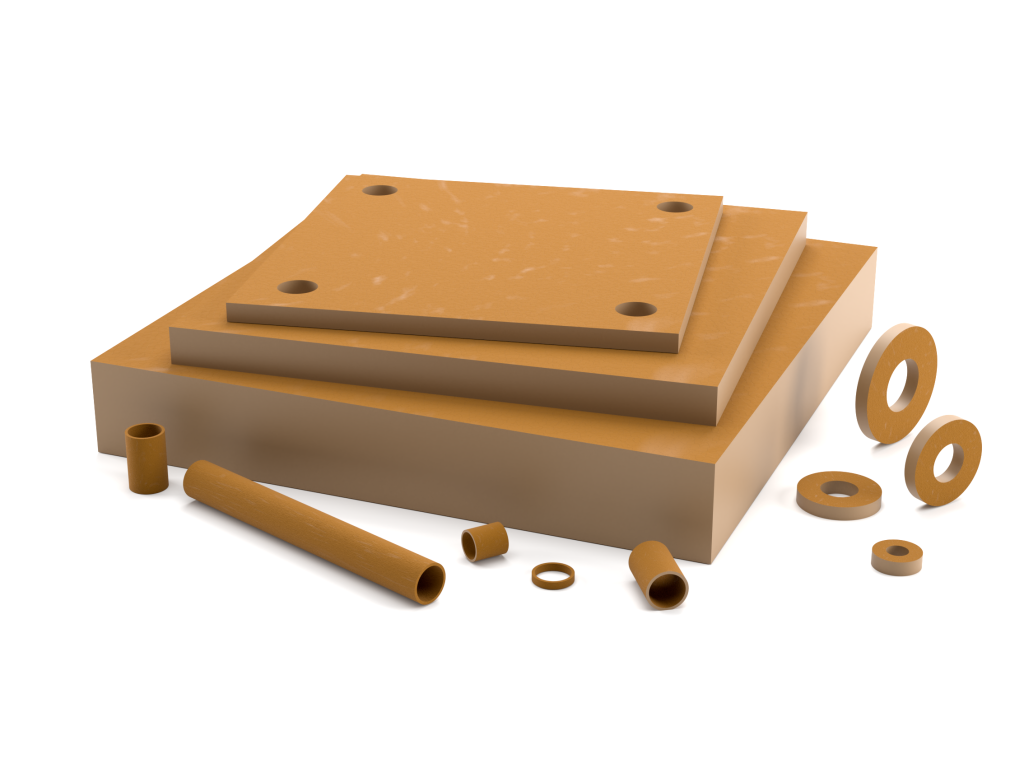
G10 Micarta Cryogenic Isolation Pads and Insulation Blocks

We manufacture STB-1 Cryogenic Insulator, a glass-reinforced thermoset epoxy laminate used in place of G10 Micarta blocks wherever cold piping and equipment must carry load while staying isolated from warm steel. It is rated from −270 °C (−454 °F) to 135 °C (275 °F) continuous, with a compressive strength of 48,000 psi.

Every pad is cut and drilled in house to your drawings, with matching isolating washers and bushings, for cryogenic pipe supports, tank saddles, equipment bases and bolted isolation joints. Cut-to-size pads typically ship in 5–7 days, anywhere in Canada and internationally.

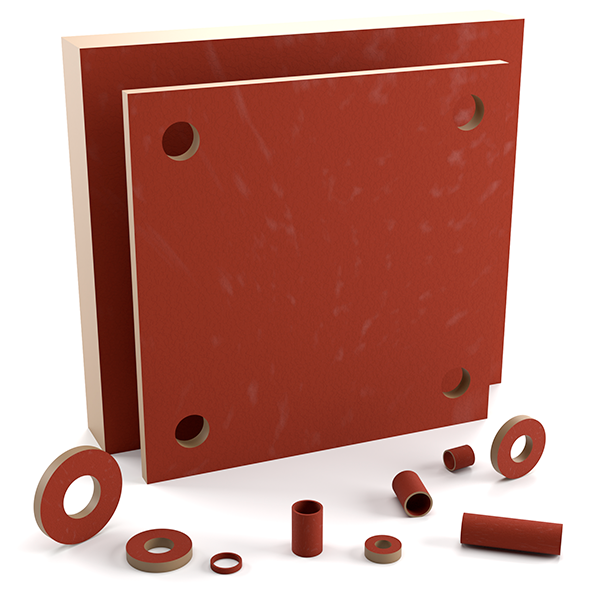
G10 Micarta style cryogenic isolation pad with isolating washers and bushings

−270 °C

Minimum operating temperature (−454 °F)

48,000 psi

Compressive strength, ASTM D695

1.055

Thermal conductivity, BTU·in/hr·ft²·°F (ASTM C518)

500 VPM

Dielectric strength, ASTM D149

Our Cryogenic Insulation Products

G10 cryogenic insulation blocks in multiple thicknesses

Cryogenic Isolation Pads

Glass-epoxy pads in 1/4″ to 2″ thicknesses, supplied as full sheet or cut to size for supports, saddles and equipment bases.

See specifications →

Cryogenic pipe support insulation pad with isolation bushings

Pipe Support Insulation Blocks

Load-bearing blocks for cold shoes, trunnions, anchors and saddles on LNG, liquid nitrogen, liquid oxygen and liquid hydrogen lines.

Pipe support insulation →

G10 Micarta insulation pads cut to size

Isolating Washers and Bushings

Machined to suit your bolt size so no bolt bridges the cold side to the warm side of a connection.

Bolted isolation joints →

G10 Micarta insulation pads cut to size

Why Specify a Glass-Epoxy Cryogenic Insulator

  • Load-bearing: 48,000 psi (330.9 MPa) compressive strength and a 400,671 psi compressive modulus at 1″ thick, with little to no deflection and limited creep under load.
  • Thermal isolation: thermal conductivity of 1.055 BTU·in/hr·ft²·°F; it conducts heat more than 1,300 times less than aluminum, more than 350 times less than steel and more than 100 times less than stainless steel.
  • Electrical isolation: dielectric strength of 500 VPM and 60.0 kV parallel breakdown in oil.
  • Cryogenic to elevated service: −270 °C (−454 °F) to 135 °C (275 °F) continuous, with short excursions to 180 °C (356 °F).
  • Low water absorption: 0.35 % (ASTM D229).
  • Fire tested: ASTM E84 flame spread 25, smoke developed 120; UL 94 Class HB. Red List free.

Full technical data · G10 vs Micarta explained

Cryogenic Isolation Applications

STB-1 Cryogenic Insulator goes wherever a cold component must carry load while being isolated from warm steel:

Cryogenic pipe support insulation pad with isolation bushings

Thicknesses and Supply

Cryogenic isolation pads are supplied as full sheet or cut to size and drilled to your drawings. Specify thickness by location, and whether isolating washers and bushings are required.

Need help choosing a thickness? Our guide specification is ready to drop into your project manual.

Nominal thicknessMetric
1/4″6.4 mm
1/2″12.7 mm
3/4″19.1 mm
1″25.4 mm
2″50.8 mm

Common Questions

Is this the same as G10 Micarta?

STB-1 Cryogenic Insulator is a glass-reinforced thermoset epoxy laminate, the same construction family as G-10. It is offered as an alternative wherever drawings call for G10 Micarta blocks. Read G10 vs Micarta.

Can it support LNG and liquid nitrogen lines?

Its rated range of −270 °C to 135 °C covers LNG (about −162 °C) and liquid nitrogen (about −196 °C) service. Confirm the support design at the design load across the full temperature range.

Are the values tested at cryogenic temperature?

No. Published mechanical, fire and electrical values are room-temperature results. See all FAQs.

Request a Quote

Send your drawings, operating temperature and design loads to sales@bmssi.ca or call 800-580-4195. We cut and drill every cryogenic isolation pad in house and quote quickly.